Persistent vs Ephemeral Remote Environments for Coding Agents
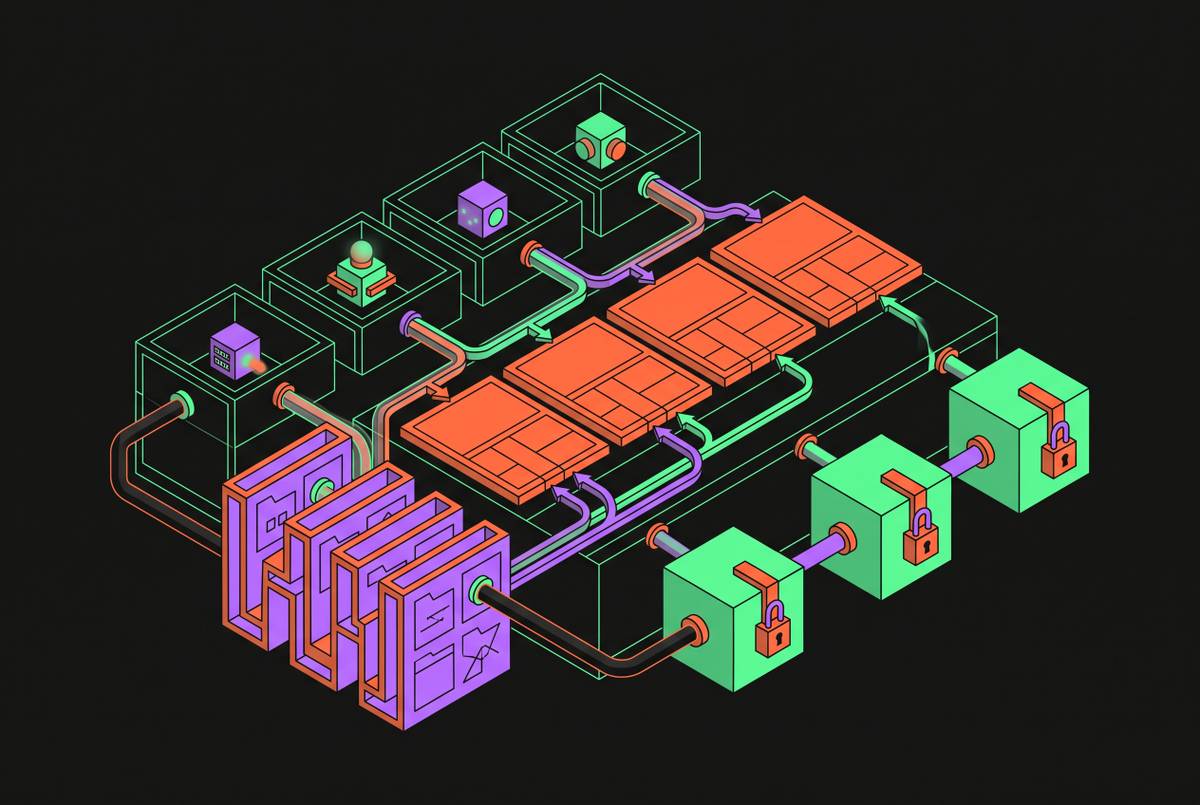
Choosing persistent or ephemeral environments determines whether agents rebuild or accumulate state.
Rafał Kędra
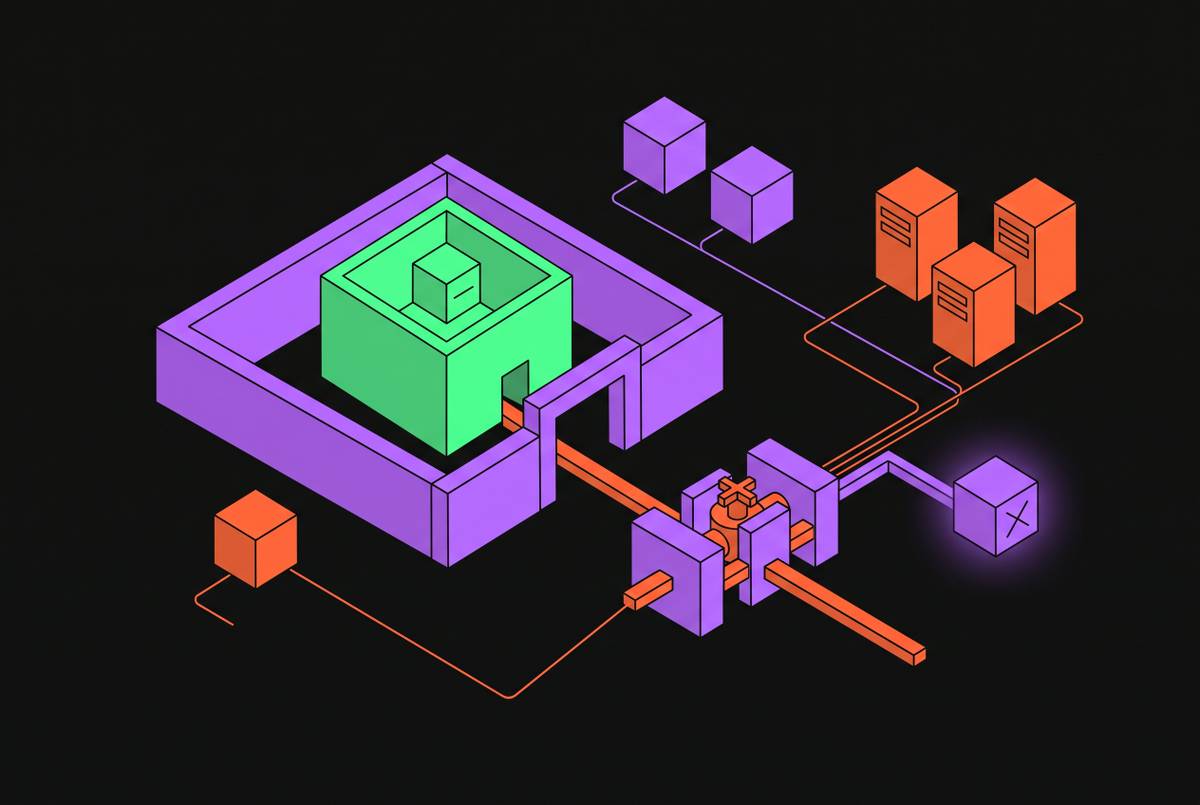
Limit what agents can do once authenticated, not just who can connect.
Choosing persistent or ephemeral environments determines whether agents rebuild or accumulate state.
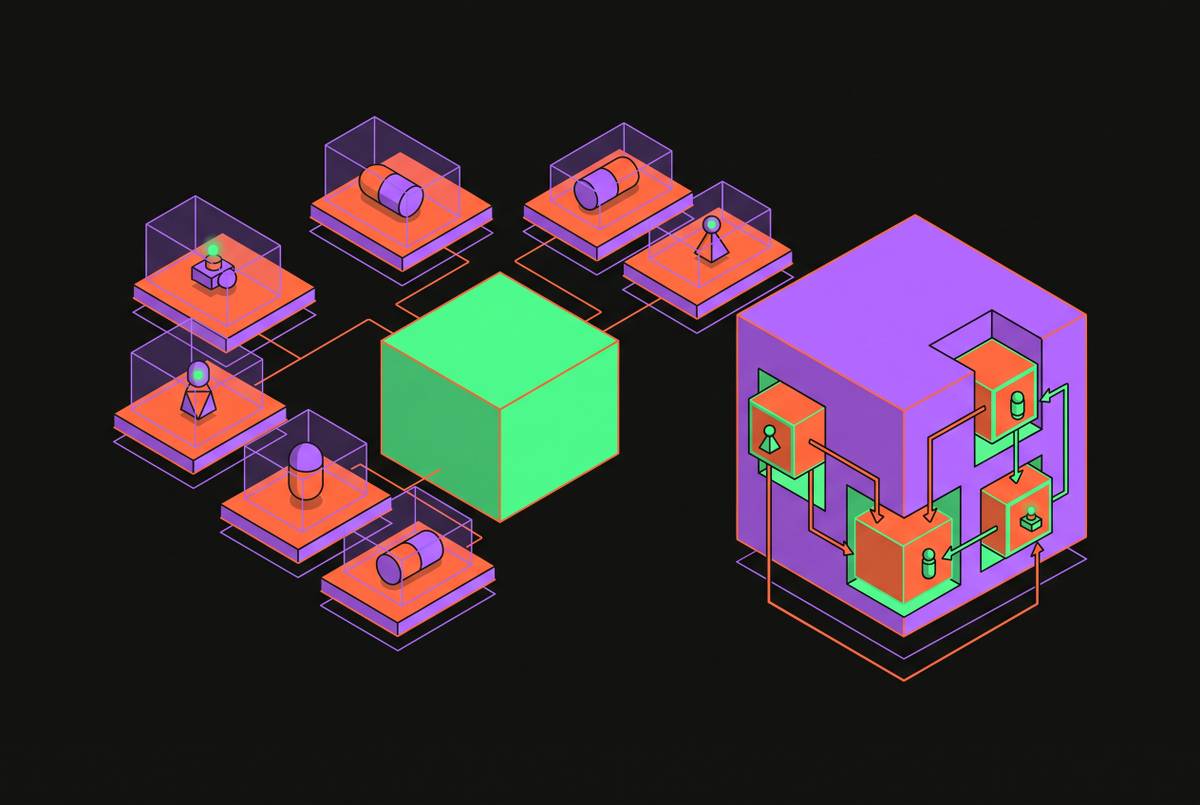
Agents executing untrusted code require filesystem isolation that containers alone cannot provide.
Sandboxes without network controls become exfiltration pipelines when agents write code.
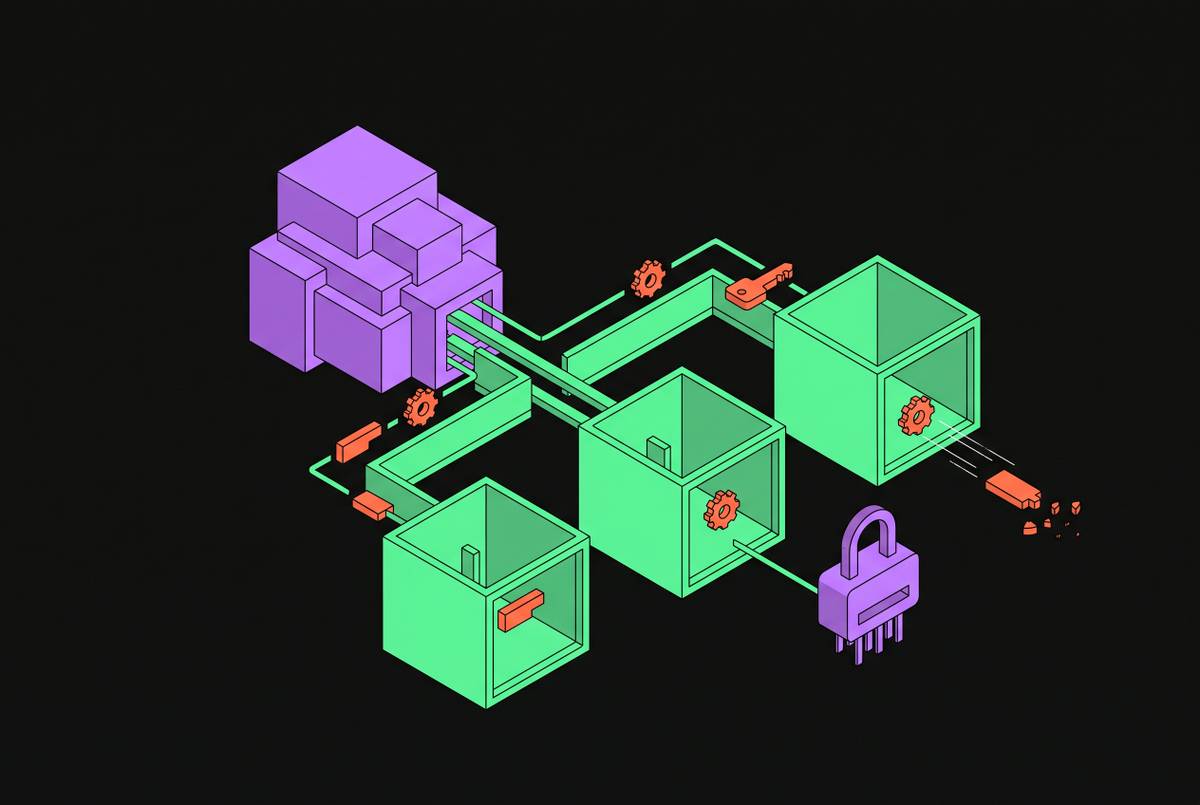
Scoped credentials tied to agent execution lifetime eliminate lingering authority gaps.
Stronger isolation for LLM-generated code requires trading startup speed for security guarantees.
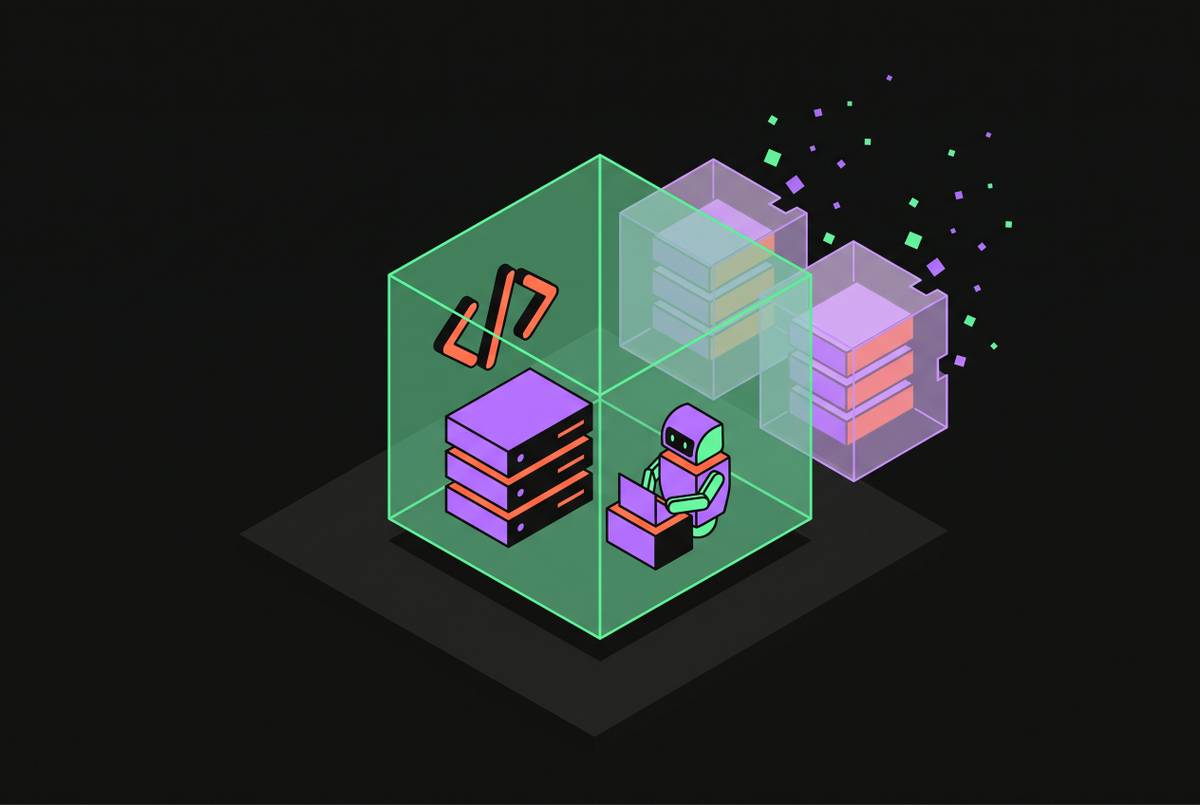
Ephemeral sandboxes isolate AI code execution by design, not accident.
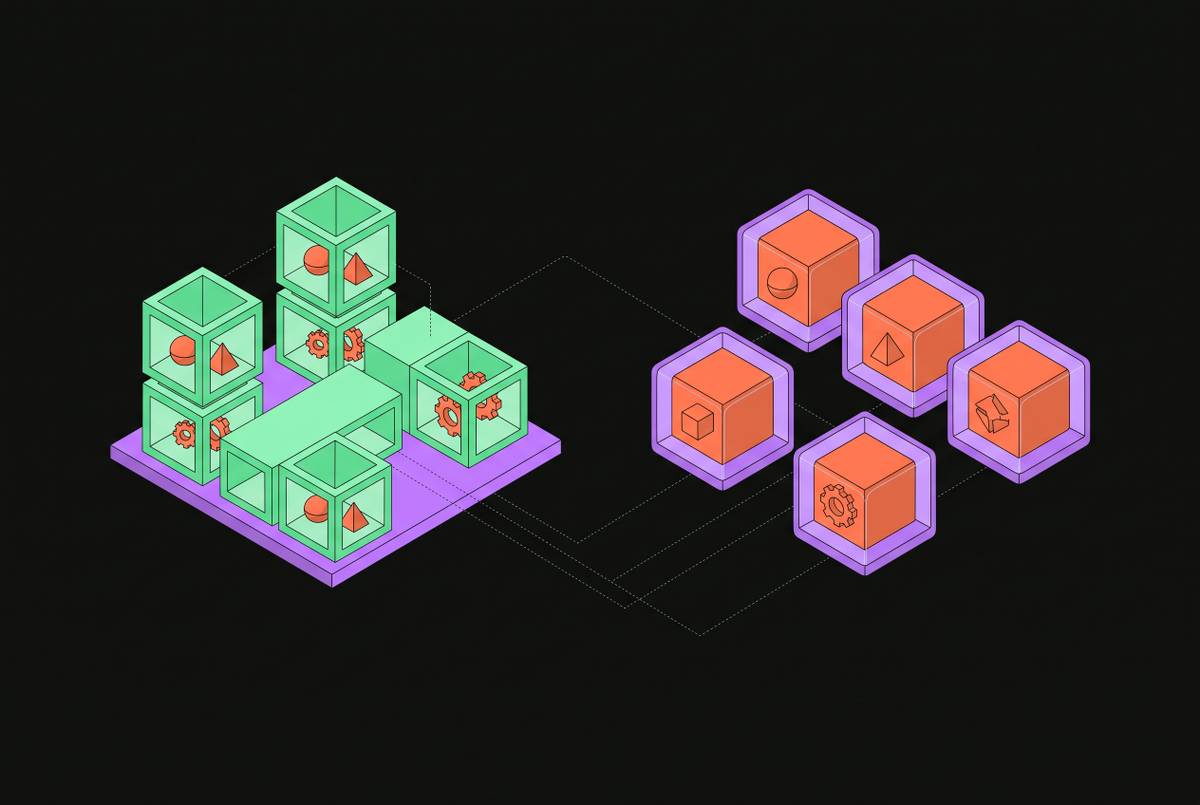
Worktrees isolate parallel agent work; submodules manage cross-repo dependencies.
Hook scripts must use `git rev-parse --git-common-dir` to work correctly across all worktrees.
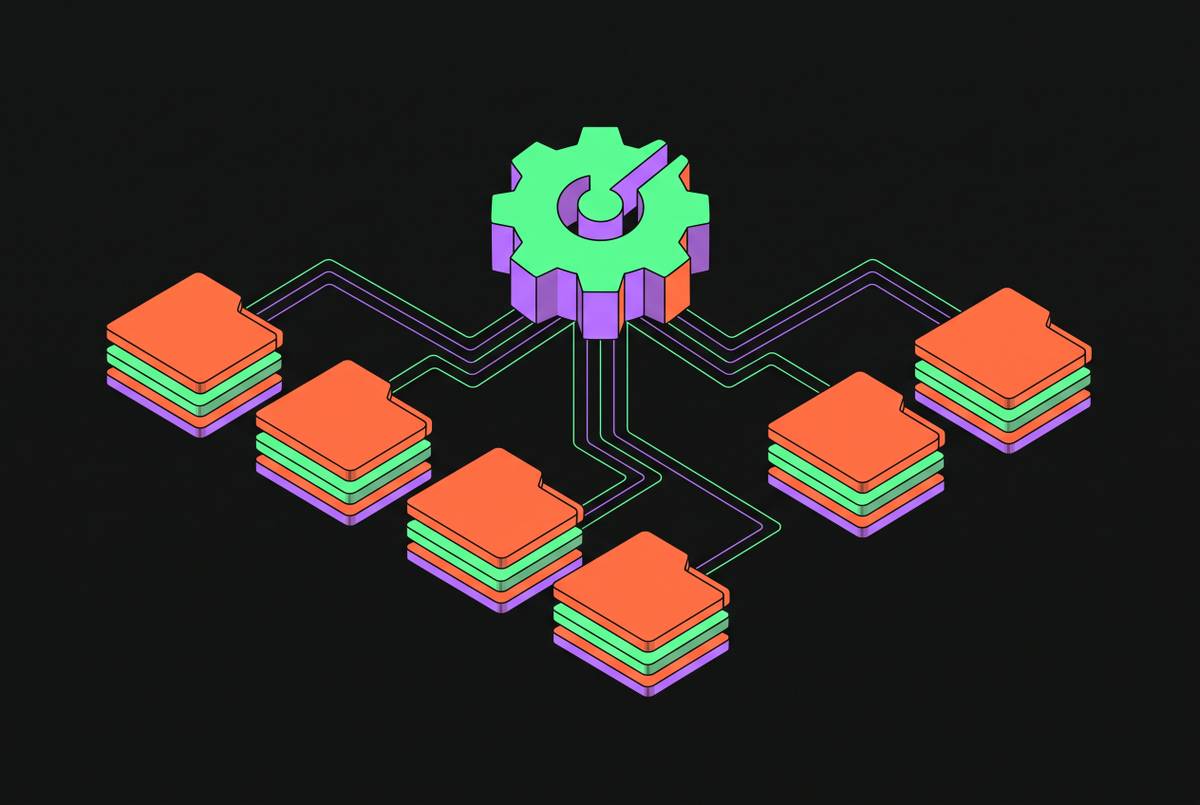
Isolate parallel AI agents with git worktree to prevent corruption.
Filesystem layout, not prompting, determines whether parallel agents corrupt shared code.
Automatically delete orphaned Git worktrees before they consume hundreds of gigabytes.